How to Calm a Stressed Cat: Simple and Effective Ways That Work
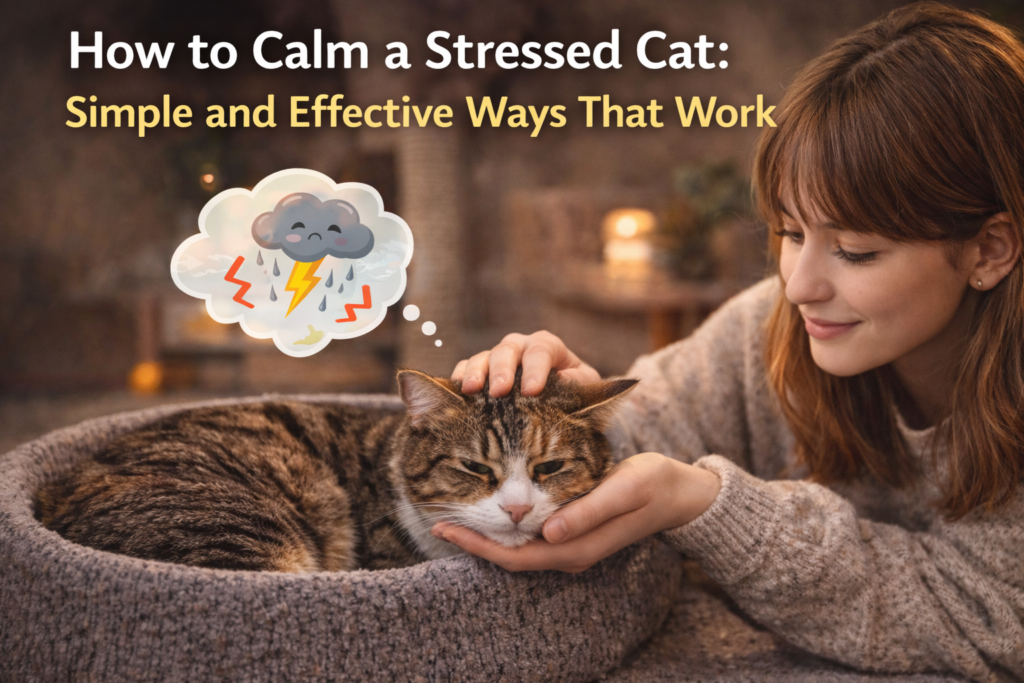
Cats are sensitive animals, and stress can affect them more than many owners realize. A stressed cat may hide, stop eating, act aggressively, or show sudden changes in behavior. Understanding the causes of stress and knowing how to respond calmly can make a big difference in your cat’s well-being.
The good news is that most stress-related issues can be reduced with simple, consistent care.
1. Common Signs of Stress in Cats
Before calming a stressed cat, it’s important to recognize the signs.
Common stress indicators include:
- Hiding more than usual
- Loss of appetite
- Excessive grooming
- Aggressive or fearful behavior
- Changes in litter box habits
If these behaviors appear suddenly, stress may be the cause.
2. Identify the Source of Stress
Cats often become stressed due to changes in their environment.
Common stress triggers:
- Moving to a new home
- New pets or people
- Loud noises
- Changes in routine
Removing or reducing the stress source is the first step toward helping your cat relax.
3. Create a Safe and Quiet Space
Every cat needs a space where it feels secure. A quiet area helps reduce anxiety and gives your cat time to relax.
A safe space should include:
- A comfortable bed
- Fresh water
- A clean litter box
- Minimal noise
This space allows your cat to regain confidence.
For general care routines, see:
👉 How to Take Care of a Cat: A Complete Beginner’s Guide
4. Maintain a Consistent Routine
Cats feel safer when they know what to expect. Feeding, playing, and resting at the same times every day helps reduce stress.
For proper feeding routines, read:
👉 How Often Should You Feed a Cat? A Simple Feeding Schedule Guide
Consistency creates a sense of stability.
5. Use Gentle Interaction and Play
Gentle play sessions can help release tension and improve mood. Avoid forcing interaction if your cat wants to be alone.
Helpful tips:
- Use interactive toys
- Keep play sessions short
- Let your cat lead
Positive interaction builds trust over time.
6. Check Nutrition and Appetite
Stress often affects eating habits. A stressed cat may eat less or refuse food completely.
If appetite changes persist, this guide may help:
👉 Why Won’t My Cat Eat? Common Reasons & Practical Solutions
Proper nutrition supports both physical and emotional health.
7. Support Overall Health
Stress can weaken a cat’s immune system. Supporting overall health makes it easier for your cat to recover from stressful situations.
Learn more here:
👉 How to Keep Your Cat Healthy: Simple Daily Habits That Really Work
Healthy cats handle stress better.
8. When to Seek Professional Help
If stress symptoms last more than a few days or worsen, it may be time to consult a veterinarian or animal behavior specialist. Some medical conditions can look like stress but require treatment.
Conclusion
Helping a stressed cat requires patience, observation, and gentle care. By identifying stress triggers, maintaining routines, and creating a safe environment, you can help your cat feel calm and secure again.
Small changes made consistently often lead to big improvements in your cat’s behavior and happiness.