One of the most common questions cat owners ask is: Is dry food or wet food better for cats? With so many brands and opinions available, choosing the right option can feel confusing.
The truth is that both dry and wet cat food have advantages and disadvantages. The best choice depends on your cat’s age, health condition, lifestyle, and hydration needs. In this complete guide, we’ll break down the differences so you can make an informed decision.
Understanding the Basics of Cat Nutrition
Before comparing dry and wet food, it’s important to understand that cats are obligate carnivores. This means they require animal-based protein to stay healthy.
A balanced diet for cats should include:
- High-quality animal protein
- Essential amino acids (like taurine)
- Healthy fats
- Vitamins and minerals
For a full overview, you can also read:
👉 What Do Cats Eat? A Simple Guide to Healthy Cat Nutrition
What Is Dry Cat Food?
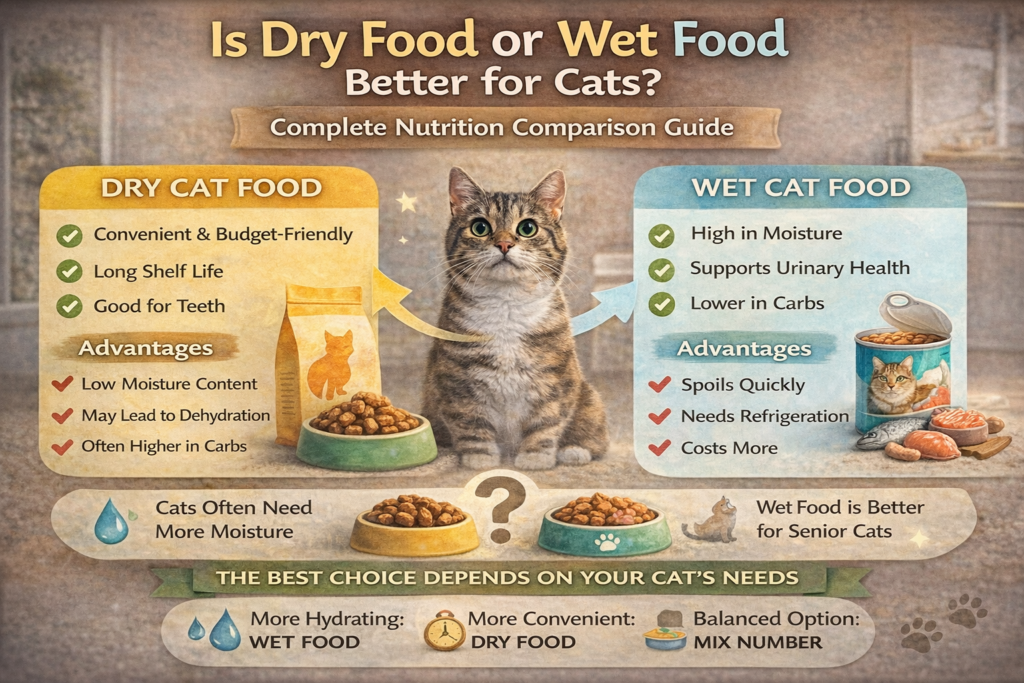
Dry cat food, also known as kibble, contains around 6–10% moisture. It is shelf-stable and convenient to store.
Advantages of Dry Food
✔️ More affordable
✔️ Longer shelf life
✔️ Easy to measure portions
✔️ Can help reduce plaque buildup
Dry food is especially practical for busy owners and multi-cat households.
Disadvantages of Dry Food
- Low moisture content
- May contribute to dehydration
- Often higher in carbohydrates
Cats naturally have a low thirst drive, which means they don’t always drink enough water to compensate for dry diets.
What Is Wet Cat Food?
Wet cat food typically contains 70–80% moisture, closely mimicking the natural water content found in prey.
Advantages of Wet Food
✔️ Higher moisture content
✔️ Supports urinary health
✔️ Often more palatable
✔️ Lower carbohydrate content
Wet food can be particularly beneficial for cats prone to urinary tract issues.
Disadvantages of Wet Food
- More expensive
- Shorter shelf life after opening
- Requires refrigeration
Hydration: A Key Difference
Hydration is one of the biggest differences between dry and wet food.
Because cats evolved in desert environments, they often do not drink enough water voluntarily. Wet food helps increase total daily water intake naturally.
This is especially important if your cat has experienced urinary problems. Learn more here:
👉 Common Cat Health Problems: Symptoms, Causes, and Prevention Tips
Weight Management Considerations
If your cat struggles with weight control, the type of food can make a difference.
Wet food:
- Often lower in calories per serving
- Can help cats feel fuller
Dry food:
- Easy to overfeed
- Calorie-dense
Portion control is crucial regardless of the food type. For feeding guidance:
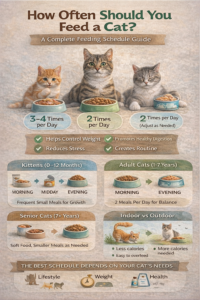
👉 How Often Should You Feed a Cat? A Simple Feeding Schedule Guide
Dental Health: Is Dry Food Better?
Many people believe dry food automatically improves dental health. While kibble may help reduce mild plaque buildup, it is not a replacement for dental care.
Regular dental checkups and appropriate treats are more effective for maintaining oral hygiene.
Can You Combine Dry and Wet Food?
Yes — many veterinarians recommend a mixed feeding approach.
Benefits of combination feeding:
- Improved hydration
- Nutritional variety
- Better appetite stimulation
For example:
- Wet food in the morning
- Dry food in the evening
This balanced approach often provides the best of both worlds.
Age and Health Factors
Kittens
Require high-protein diets and may benefit from wet food due to easier chewing.
Adult Cats
Can thrive on either type if nutritionally balanced.
Senior Cats
May benefit from wet food because of:
- Dental sensitivity
- Increased hydration needs
To understand aging better:
👉 How Long Do Cats Live? Average Cat Lifespan and Ways to Help Them Live Longer
Quality Matters More Than Type
Perhaps the most important factor is ingredient quality.
Look for:
- Real animal protein as the first ingredient
- Limited fillers
- No excessive artificial additives
Avoid foods with:
- High corn content
- Artificial coloring
- Excessive by-products
The quality of the formula matters more than whether it’s dry or wet.
Common Mistakes to Avoid
❌ Changing food abruptly
❌ Overfeeding
❌ Ignoring hydration
❌ Choosing based only on price
Always transition foods gradually over 7–10 days to avoid digestive upset.
Final Verdict: Which Is Better?
So, is dry food or wet food better for cats?
There is no universal answer. Both can support a healthy cat when chosen carefully. However:
- Wet food is better for hydration and urinary health.
- Dry food is more convenient and budget-friendly.
- A balanced combination is often ideal.
The best decision is one based on your cat’s individual needs, lifestyle, and veterinary advice.
Conclusion
Choosing between dry and wet food doesn’t have to be complicated. By understanding the differences in moisture content, calorie density, and ingredient quality, you can make a confident and responsible decision.
The most important thing is consistency, portion control, and regular health monitoring. A well-fed cat is a healthier, happier companion.