How to Keep Your Cat Healthy: Simple Daily Habits That Really Work
Keeping a cat healthy does not require complicated routines or expensive products. In most cases, good health comes from simple daily habits, proper care, and close attention to your cat’s behavior.
By understanding your cat’s basic needs and creating healthy routines, you can help your cat live a longer, happier life.
1. Daily Observation Matters
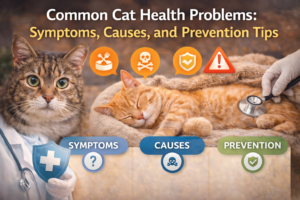
One of the easiest ways to keep your cat healthy is to observe it every day. Cats often hide discomfort, so small changes can be important signs.
Pay attention to:
- Appetite changes
- Energy levels
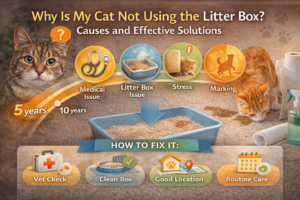
- Litter box habits
- Coat appearance
If something feels unusual, it’s worth investigating early.
2. Proper Nutrition Is the Foundation
A healthy diet plays a major role in your cat’s overall health. Feeding the right food, in the right amount, helps prevent many common health problems.
If you are unsure about food choices, read:
👉 What Do Cats Eat? A Simple Guide to Healthy Cat Nutrition
Balanced meals support digestion, energy, and immune function.
3. Consistent Feeding Routine
Cats feel more secure when they follow a routine. Feeding your cat at regular times helps regulate digestion and reduces stress.
For a detailed feeding schedule, see:
👉 How Often Should You Feed a Cat? A Simple Feeding Schedule Guide
Routine is especially important for indoor cats.
4. Clean Environment and Hygiene
A clean living space protects your cat from bacteria and stress.
Daily or regular habits should include:
- Cleaning the litter box
- Washing food and water bowls
- Keeping sleeping areas clean
Good hygiene reduces infections and keeps your cat comfortable.
5. Physical Activity and Mental Stimulation
Cats need movement and play to stay healthy. A lack of activity can lead to weight gain and behavioral issues.
Simple ways to help:
- Short play sessions every day
- Scratching posts
- Interactive toys
Playtime strengthens the bond between you and your cat.
6. Preventing Stress and Anxiety
Stress can weaken a cat’s immune system. Loud noises, frequent changes, or lack of personal space can affect health.
Provide:
- Quiet resting areas
- Predictable routines
- Gentle interaction
A calm cat is usually a healthier cat.
7. When Appetite Changes
A healthy cat usually has a stable appetite. If your cat suddenly stops eating, it may indicate stress or health issues.
For deeper insight, read:
👉 Why Won’t My Cat Eat? Common Reasons & Practical Solutions
Never ignore prolonged appetite loss.
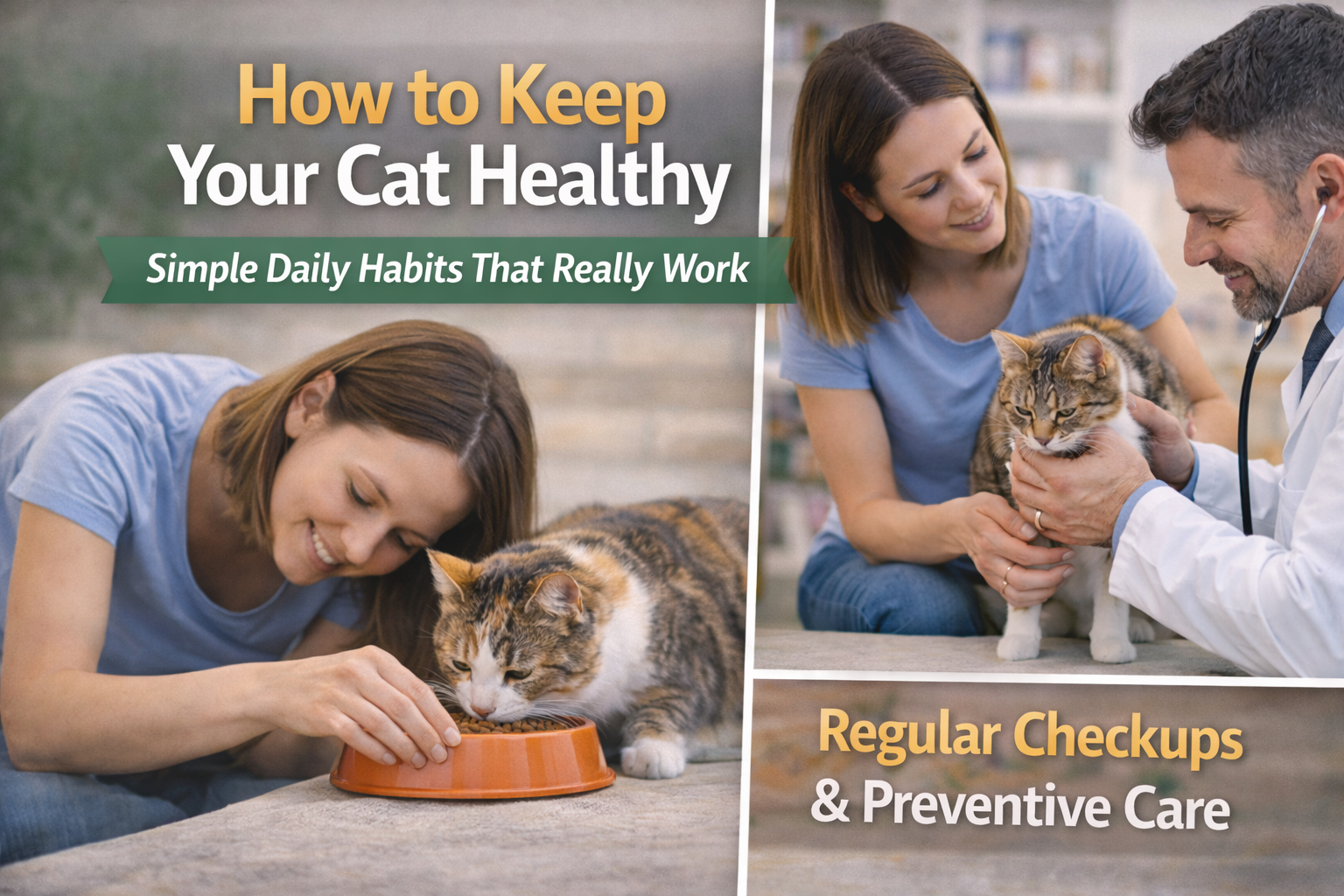
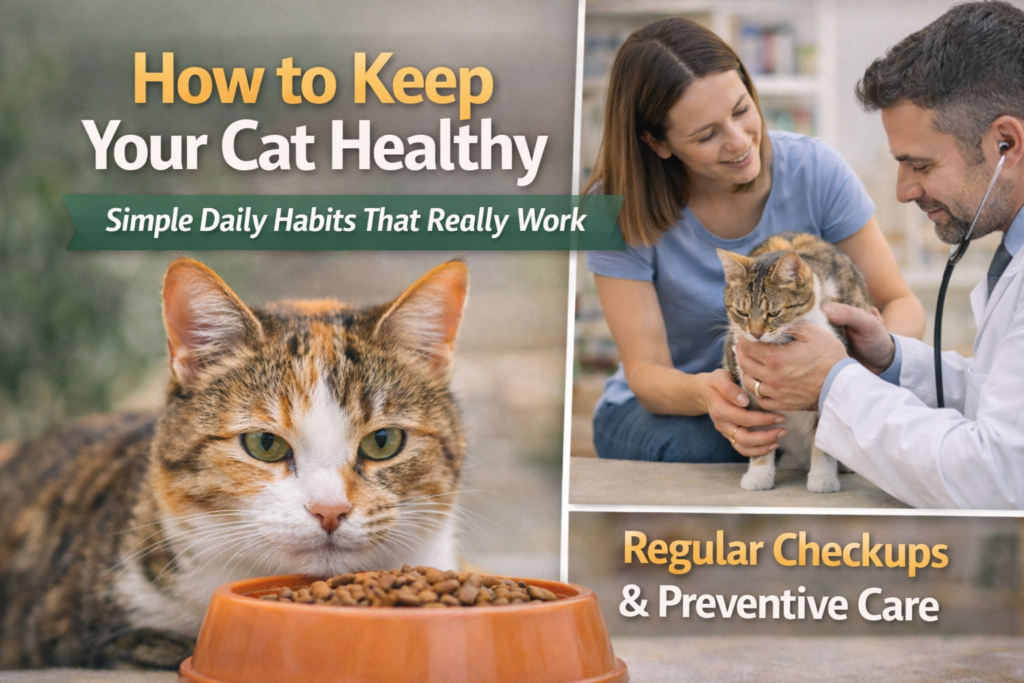
8. Regular Veterinary Care
Even if your cat appears healthy, routine vet visits are essential.
Veterinary care helps with:
- Early detection of illness
- Vaccinations
- General health monitoring
Prevention is always easier than treatment.
Conclusion
Keeping your cat healthy is about consistency, observation, and care. Small daily habits — proper feeding, clean surroundings, play, and routine — make a big difference over time.
By paying attention to your cat’s needs and acting early when something feels wrong, you give your cat the best chance at a long and healthy life.