Why Are My Brakes Squeaking? Causes, Simple Fixes and When to Get Them Checked
Some brake noise is harmless, such as light rust after rain. Other noises mean worn pads or a safety problem. Learn which squeals you can ignore and which you cannot.
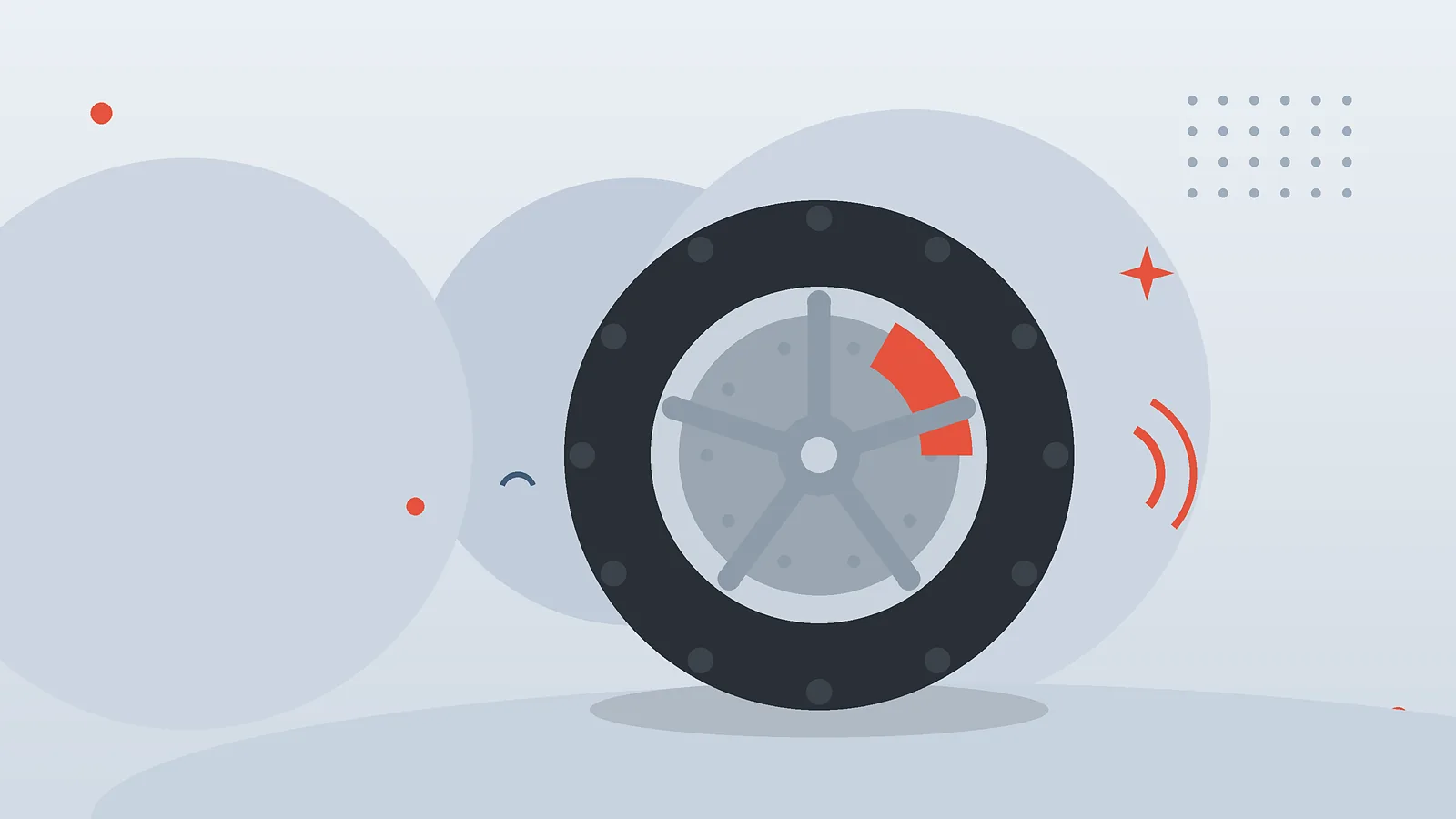
Brake noise is one of the most common reasons drivers visit a repair shop. Some squeaks are harmless and disappear after a few stops. Others are a built-in warning that your brake pads are nearly worn out. Because brakes are safety-critical, the goal of this guide is to help you understand what you are hearing, not to replace an inspection by a qualified technician.
Common causes of squeaky brakes
| What you notice | Likely cause | What to do |
|---|---|---|
| Squeal for the first few stops on a damp or cold morning, then it goes away | Light surface rust or moisture on the rotors | Usually normal; no action needed if it stops quickly |
| High-pitched squeal that continues while braking, getting more frequent | Wear indicator: a small metal tab that contacts the rotor when pads are thin | Schedule a brake inspection soon; pads likely need replacing |
| Grinding or growling | Pads worn through to the metal backing, damaging the rotors | Stop driving if possible and have it inspected right away |
| Squeal after new pads were installed | Bedding-in period, missing shims, or lack of lubricant on hardware | Ask the installer to check; follow bedding-in guidance |
| Squeal after heavy braking or towing | Glazed (overheated) pads or rotors | Inspection; may need resurfacing or replacement |
| Squeak or rattle over bumps | Loose or worn caliper hardware or clips | Inspection |
Safe checks you can do yourself
- Listen and note when it happens: only when cold, all the time, only when turning, or only at low speed. This information helps the mechanic diagnose quickly.
- Look at the pads. On many cars you can see the outer pad through the wheel spokes. Compare its thickness with your owner's manual or a shop's guidance.
- Check the brake fluid level in the reservoir under the hood, against the MIN/MAX marks, with the engine off. A dropping level can indicate pad wear or a leak. Do not just top it up repeatedly. Have the car inspected.
- Check for recalls on NHTSA's free recall lookup using your vehicle identification number (VIN).
What a brake job usually involves
A technician typically inspects pads, rotors, calipers, hoses and fluid. They may replace pads, lubricate the slide pins and contact points with brake-specific grease, replace shims or clips, and resurface or replace rotors. DIY brake work is possible for experienced home mechanics with the correct tools, torque specifications, jack stands and service information. Mistakes can lead to brake failure, so if you are not confident, leave it to a professional.
Things to avoid
- Do not spray general lubricants or cleaners onto pads or rotors. Contaminated pads can lose grip.
- Do not ignore a squeal that is getting worse.
- Do not mix brake fluid types. Use the type specified in your owner's manual or on the reservoir cap.
Keep brakes healthy
Follow your manufacturer's maintenance schedule, which may include periodic brake-fluid replacement. Avoid unnecessary hard braking, and have brakes checked whenever tires are rotated. Brakes work best with properly inflated tires. See how to check tire pressure.