Automotive & Cars
How to Jump-Start a Car Safely With Jumper Cables or a Jump Starter
Connect the cables in the right order, use a ground point away from the battery, and know when not to jump-start at all. A safety-first step-by-step guide.
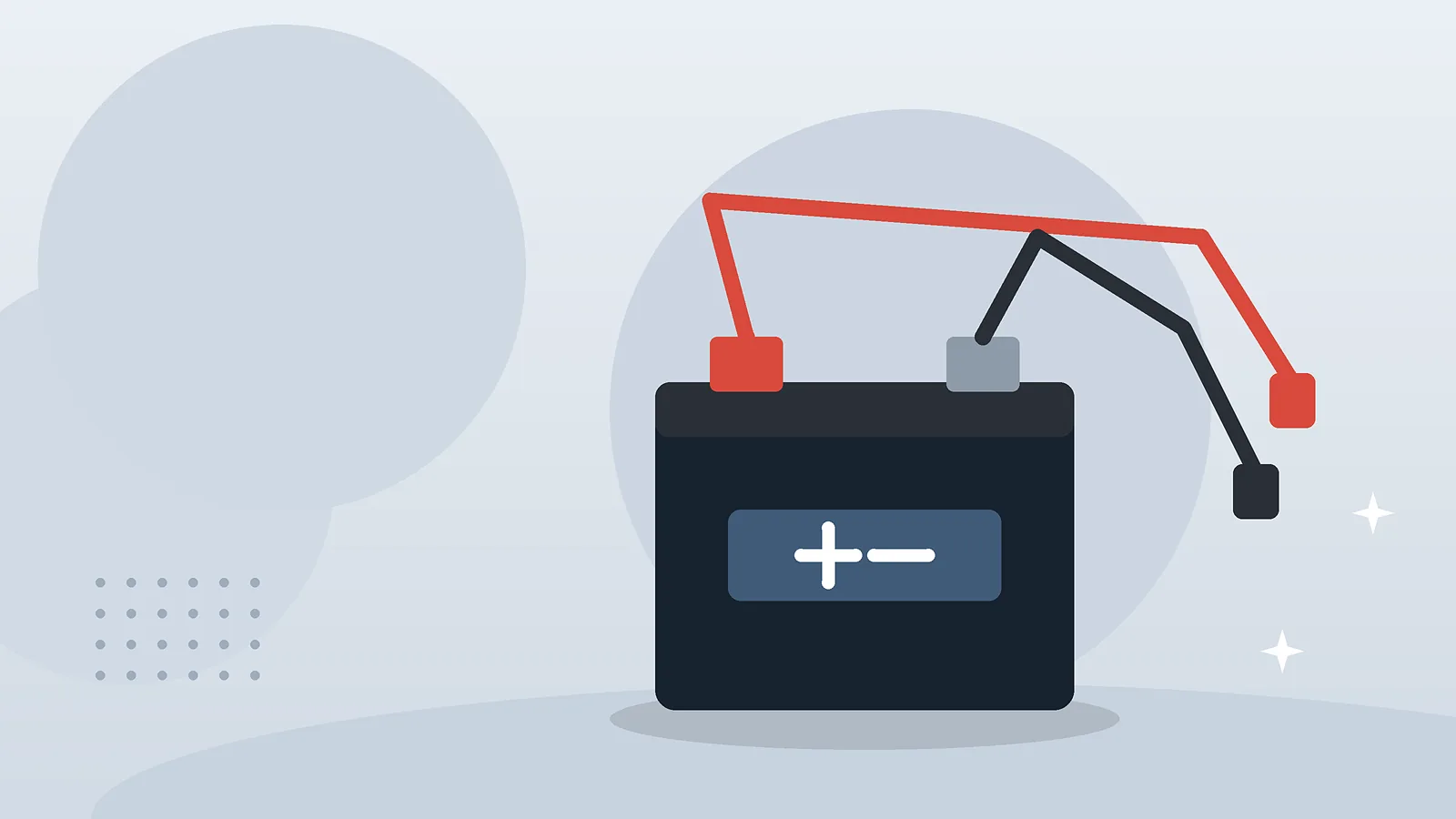
A dead battery is one of the most common roadside problems, especially in cold weather. Jump-starting is usually straightforward, but car batteries can release flammable hydrogen gas and deliver high current. Following the right order matters. Always check your owner's manual first. Many vehicles, including hybrids, electric vehicles and cars with batteries in the trunk or under a seat, have specific jump-start points and instructions.
What you need
- Jumper cables in good condition, ideally heavy-gauge, and long enough to reach
- A working car with a battery of the same voltage (usually 12 volts), or a charged portable jump starter
- Gloves and eye protection, if available
How to jump-start with another car
- Position the cars. Park the working car close enough for the cables to reach, but do not let the cars touch. Turn both engines off, set parking brakes, and put both in Park (or Neutral for manuals). Switch off lights and accessories.
- Identify the terminals. Positive (+) is usually red and larger. Negative (−) is usually black. Remove covers as needed.
- Connect red to the dead battery's positive (+) terminal.
- Connect the other red clamp to the good battery's positive (+) terminal.
- Connect black to the good battery's negative (−) terminal.
- Connect the last black clamp to an unpainted metal ground point on the dead car's engine block or a designated ground point, away from the battery, fuel lines and moving parts. Do not connect it to the dead battery's negative terminal. This reduces the risk of a spark near battery gases.
- Start the working car and let it run for a few minutes.
- Try to start the dead car. If it does not start, wait a few minutes and try again. Do not crank continuously for long periods.
- Remove the cables in reverse order: ground clamp, then good battery negative, then good battery positive, then dead battery positive. Do not let clamps touch each other or any metal while connected.
How to use a portable jump starter
- Make sure the jump starter is charged and switched off.
- Connect the red clamp to the positive (+) terminal and the black clamp to a ground point or the negative terminal, as the device instructions specify.
- Turn the jump starter on and start the car.
- Switch the jump starter off and remove the clamps, black first.
After the car starts
- Let the engine run, or drive for at least 20 to 30 minutes if safe, to help recharge the battery.
- If the car will not restart later, the battery may be failing or there may be a charging-system problem. Many auto parts stores and repair shops can test batteries and alternators.
- Batteries generally last several years, depending on climate and use. Heat and very short trips shorten battery life.
Prevent the next dead battery
- Check that the terminals are clean and tight.
- Turn off lights and accessories when the engine is off.
- Drive the car regularly, or use a battery maintainer if it sits for weeks.
- Have the battery tested before winter if it is several years old.
Keep jumper cables with your other roadside essentials, and check your tire pressure and engine oil regularly.