How to Take Care of a Guinea Pig: Diet, Vitamin C, Cage and Company
Guinea pigs need unlimited hay, daily vitamin C and the company of other guinea pigs. Use this guide to set up a home they will thrive in.
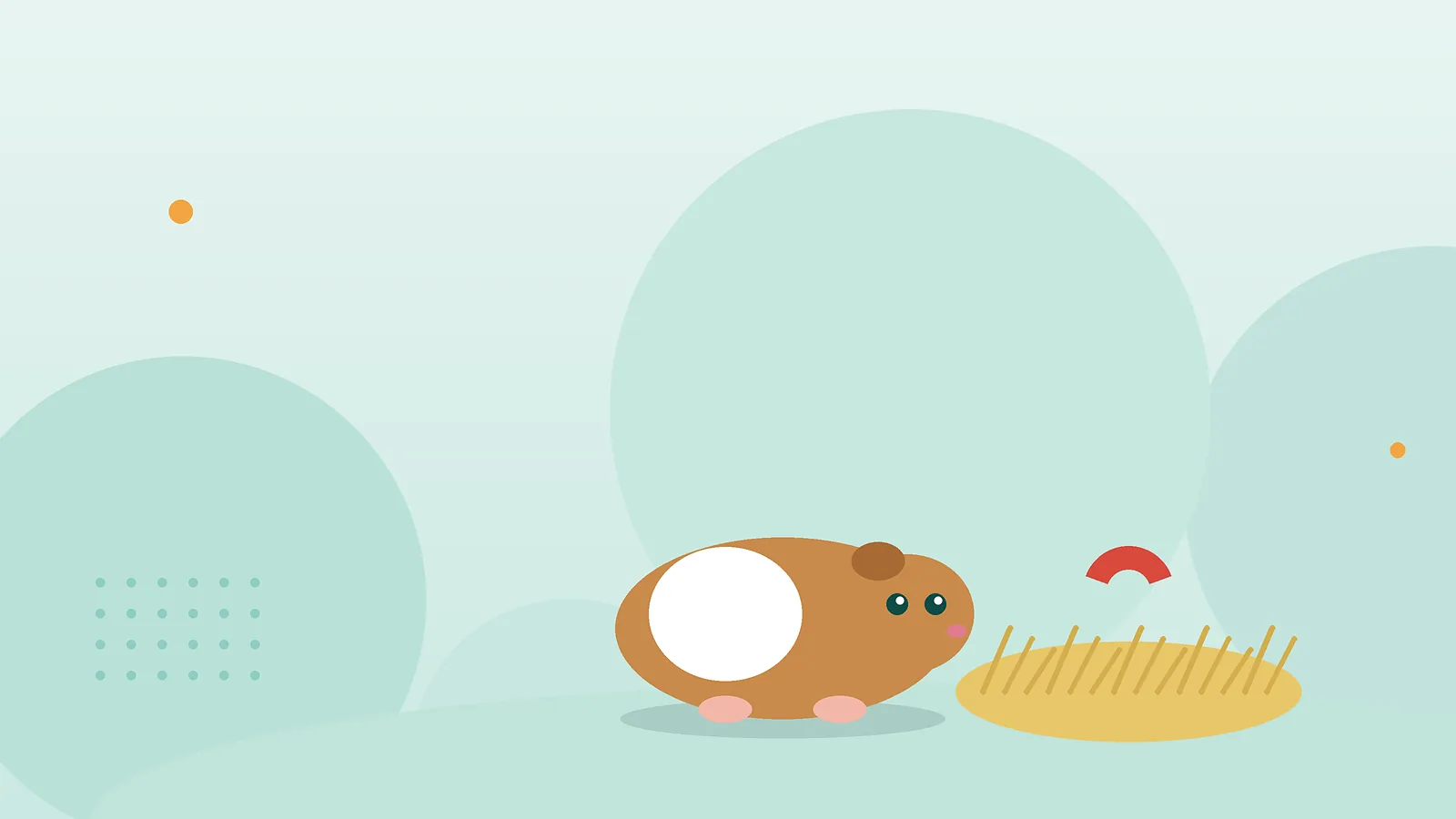
Guinea pigs are chatty, gentle and expressive. They are often a good choice for families who want a small pet that is awake during the day. They do have some needs that surprise first-time owners, and getting the diet right is the most important.
Guinea pigs need company
Guinea pigs are herd animals and usually do best with at least one other guinea pig. Pairs of females, neutered males with females, or compatible males can work. Ask a rescue or vet about bonding. Do not house guinea pigs with rabbits. They have different diets and communication, and rabbits can injure them.
The guinea pig diet
Unlimited hay
Good-quality grass hay, such as timothy or meadow hay, should make up most of the diet and be available at all times. Chewing hay wears down teeth that never stop growing and keeps the gut moving.
Daily vitamin C
Like people, guinea pigs cannot make their own vitamin C. A deficiency causes scurvy, with symptoms such as joint pain, poor appetite and a rough coat. Provide vitamin C through fresh vegetables and a guinea pig–specific pellet. Ask your vet whether a supplement is needed. Vitamin C in water degrades quickly and is not a reliable source.
Fresh vegetables
Offer a variety of leafy greens and vegetables daily, introduced gradually. Bell pepper is a popular vitamin C source. Fruit is high in sugar and should be an occasional treat.
Pellets and water
Feed a measured amount of plain guinea pig pellets rather than colorful muesli-style mixes, which encourage selective eating. Fresh water must always be available.
Choosing a cage and bedding
- Guinea pigs need a large, single-level floor area for running and "popcorning" (jumping for joy). Many pet-store cages are too small for a pair.
- Use solid flooring, not wire, to protect their feet.
- Provide a hide for each guinea pig, plus tunnels and hay racks.
- Choose dust-free paper bedding or washable fleece liners, and spot-clean daily.
- Keep the enclosure indoors or in a sheltered, temperature-controlled area. Guinea pigs are sensitive to heat.
Guinea pig vs hamster
| Guinea pig | Hamster | |
|---|---|---|
| Social needs | Lives with other guinea pigs | Usually lives alone |
| Active | Day and night, in short bursts | Mostly dusk and night |
| Typical lifespan | Often around 5–7 years | Often around 2–3 years |
| Space | Large floor area for a group | Large floor area and deep bedding |
Read our hamster care guide for a closer comparison.
Grooming and health checks
- Check teeth, nails, eyes, ears and coat weekly, and weigh your guinea pigs regularly. Weight loss is often the first sign of illness.
- Long-haired breeds need frequent brushing.
- Nails usually need trimming every few weeks.