
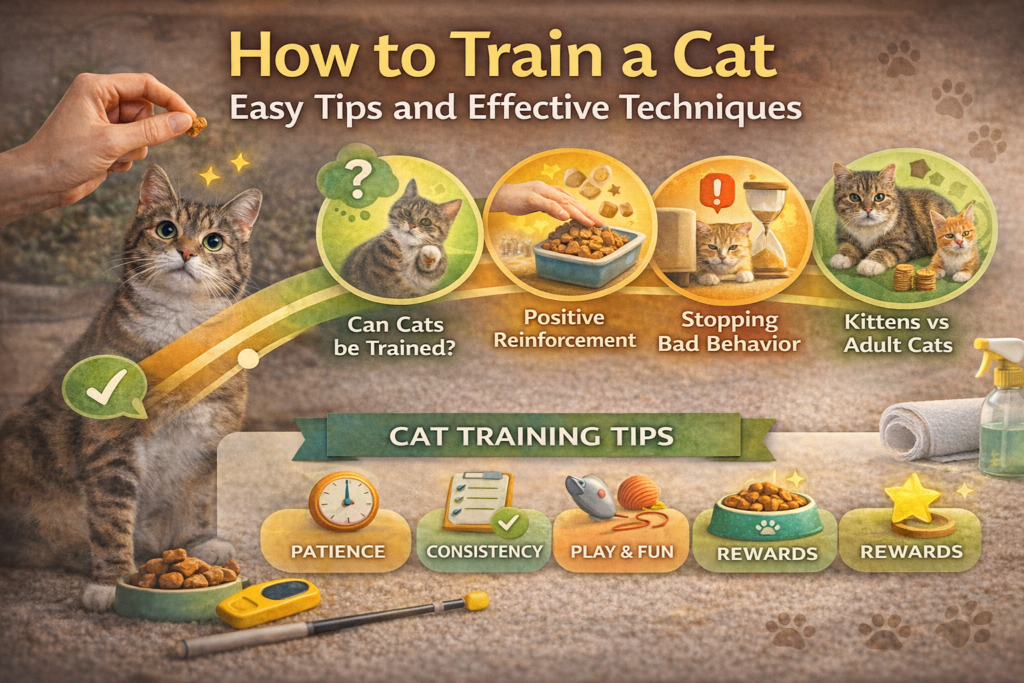
Have you ever watched your cat zoom around the house at midnight or scratch the furniture despite having a perfectly good scratching post? If you’re wondering how to train a cat, you’re not alone. Many pet owners assume cats are too independent to learn tricks or follow rules, but with patience and the right approach, training can strengthen your bond and create a harmonious home. In this guide, we’ll explore practical strategies to help your feline friend behave better, all while keeping things fun and stress-free.
Can Cats Really Be Trained?
The short answer is yes—cats can be trained! Unlike dogs, who often thrive on pleasing their owners, cats are motivated by what’s in it for them. This doesn’t mean they’re untrainable; it just requires understanding their unique personality. Studies from animal behaviorists show that cats respond well to consistent routines and rewards, debunking the myth that they’re aloof or stubborn.
For instance, many cats learn to use litter boxes instinctively, but with guidance, they can master more complex behaviors like coming when called or walking on a leash. The key is starting small and building from there. If you’re skeptical, consider famous trained cats in videos who perform agility courses or high-fives. 👉 See our guide on [How to Take Care of a Cat] for more on understanding feline instincts.
Basic Training Principles for Cats
When figuring out how to train a cat at home, start with the fundamentals. First, create a positive environment. Choose a quiet space free from distractions where your cat feels safe. Timing is crucial—train during times when your cat is alert but not overly playful or sleepy, like after a meal.
Use short sessions, ideally 5-10 minutes, to avoid overwhelming your pet. Consistency is your best friend; repeat commands and rewards daily. Tools like clickers can help mark desired behaviors instantly. Remember, every cat is different, so observe what motivates yours—food, toys, or affection?
Essential Cat Training Tips
Here are some cat training tips to get started:
- Begin with simple commands like “sit” or “come.”
- Use a gentle voice and avoid punishment, as it can lead to fear.
- Track progress in a journal to see improvements over time.
Patience pays off, and soon you’ll see your cat responding eagerly.
Positive Reinforcement Explained
Positive reinforcement for cats is the cornerstone of effective training. This method involves rewarding good behavior to encourage repetition, rather than focusing on negatives. For example, if your cat uses the scratching post instead of the couch, immediately offer a treat or praise.
Why does this work? Cats associate the action with a pleasant outcome, making them more likely to repeat it. Common rewards include small pieces of tuna, interactive play, or even verbal affirmations like “good kitty.” Avoid overfeeding by using tiny portions.
Implementing Positive Reinforcement at Home
To apply this, identify behaviors you want to encourage. If teaching your cat to stay off counters, reward them for staying on the floor. Combine it with environmental changes, like placing sticky tape on forbidden areas temporarily. Over time, this builds trust and makes training enjoyable for both of you.
How to Stop Bad Cat Behavior
Bad behaviors like scratching furniture or biting during play can frustrate owners, but knowing how to stop bad cat behavior starts with understanding the root cause. Cats might scratch to mark territory or stretch, not to annoy you.
Redirect rather than scold. Provide alternatives, such as multiple scratching posts in appealing textures. For biting, use toys to channel energy. If your cat meows excessively at night, establish a bedtime routine with playtime to tire them out.
Gentle Techniques for Behavior Correction
Use deterrents like citrus scents on off-limits areas, as many cats dislike them. Consistency is key—everyone in the household must follow the same rules. If issues persist, consider environmental enrichment, like puzzle feeders, to reduce boredom. 👉 Read more in [Common Cat Behavior Explained] for insights into why cats act out.
Common Training Mistakes to Avoid
Even well-intentioned owners make errors that hinder progress. One big mistake is expecting quick results; cats learn at their own pace, and rushing can cause setbacks. Another is inconsistency—rewarding sometimes but not always confuses your pet.
Avoid using punishment, like spraying water, as it damages trust and may lead to hidden bad behaviors. Over-relying on treats without phasing them out can create dependency. Instead, gradually replace food rewards with praise.
Tips to Sidestep Pitfalls
Start with one behavior at a time to prevent overload. If you’re new to this, watch online tutorials from reputable sources, but always adapt to your cat’s needs. Remember, training should be a positive experience, not a chore.
Training Kittens vs. Adult Cats
Age plays a role in how to train a cat. Kittens are like sponges, absorbing lessons quickly due to their curiosity and adaptability. Start early with socialization, litter training, and basic commands to prevent future issues.
Adult cats, however, may have ingrained habits, requiring more patience. They can still learn, especially if motivated by strong rewards. For seniors, keep sessions short to respect their energy levels.
Tailoring Approaches by Age
For kittens: Use play-based training to make it fun. For adults: Focus on unlearning bad habits through redirection. Regardless of age, celebrate small wins to keep motivation high.
Frequently Asked Questions
Can I Train My Cat to Use a Leash?
Absolutely! Start indoors with a harness, rewarding steps forward. Gradually move outside in safe areas. It takes time, but many cats enjoy supervised walks.
What If My Cat Ignores Treats?
Not all cats are food-motivated. Try toys, petting, or clicker sounds as alternatives. Experiment to find what excites your feline.
How Long Does It Take to Train a Cat?
It varies, but basic behaviors might take a few weeks with daily practice. Complex tricks could require months. Consistency is the key to faster results.
Wrapping Up: Empower Your Cat Training Journey
Training your cat isn’t about turning them into a performer—it’s about fostering a deeper connection and a happier home. By embracing positive methods, understanding their needs, and avoiding common pitfalls, you’ll see real improvements. Whether you’re dealing with a playful kitten or a set-in-their-ways adult, remember that every small step counts. So grab those treats, stay patient, and enjoy the process. Your cat will thank you with purrs and cuddles. Ready to start? Your well-behaved feline awaits!