4C Hair: How to Identify Tight Coils and Build a Gentle Care Routine
Understand the 4C curl label, its limits, and practical care for tight coils.
4C hair is a commonly used label for very tightly coiled hair. It can have a compact zigzag or small-coil appearance and look considerably shorter when dry than when gently extended. Curl labels can help you find styling ideas, but they cannot tell you everything about your hair. Density, strand thickness, scalp condition, past chemical treatments and daily habits all matter.
How to recognize 4C hair
Observe freshly washed hair without stretching it or applying heavy styling products. Look at several sections because your crown, hairline and nape may have different patterns. The labels are informal descriptions, not a diagnostic scale, and people can have more than one curl pattern.
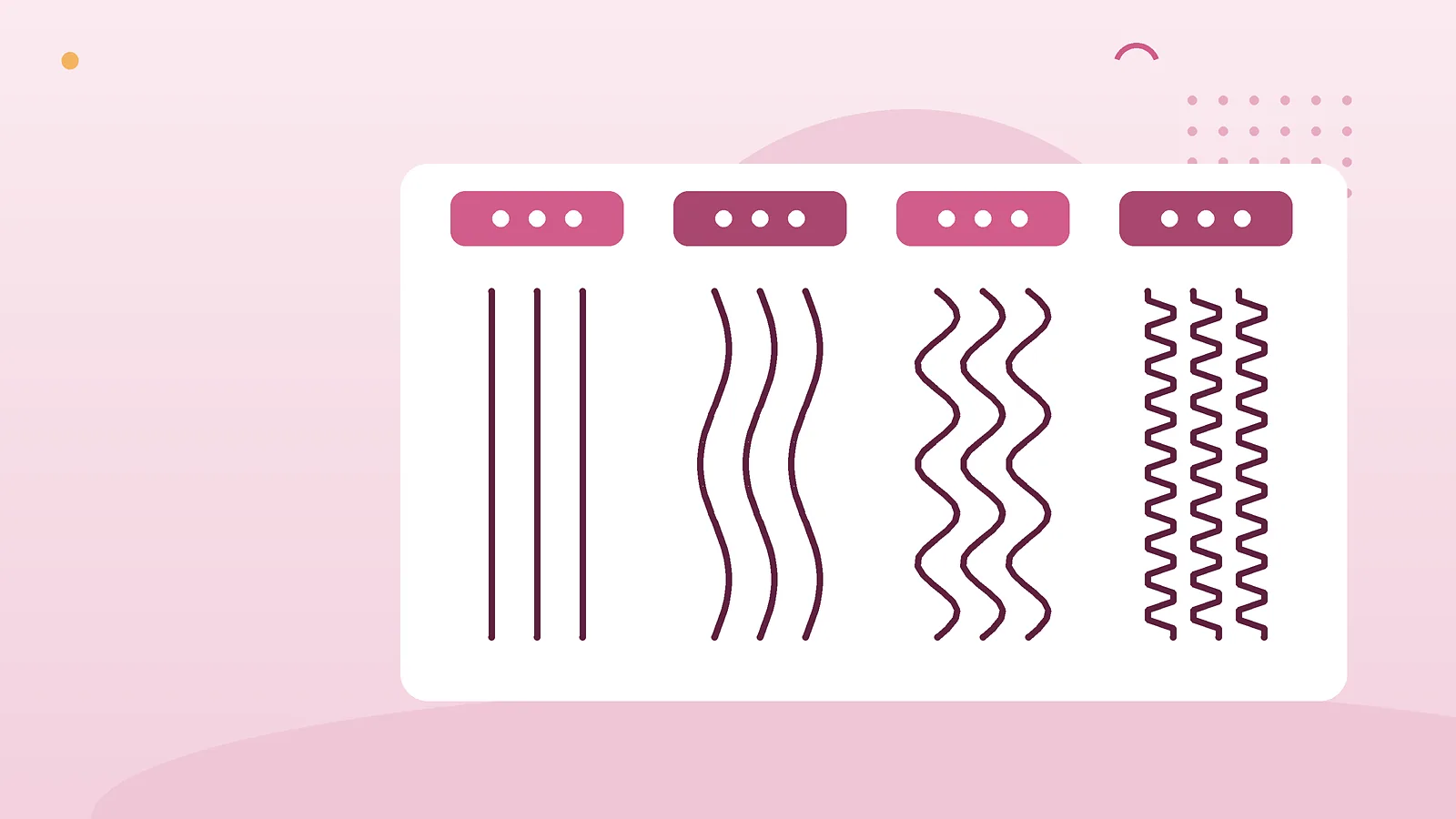
A simple hair types chart
| Common label | Typical appearance |
|---|---|
| 1 | Straight |
| 2 | Wavy |
| 3 | Curly, loop or spiral shapes |
| 4A | Small defined coils |
| 4B | Tight coils or angular bends |
| 4C | Very tight, compact coils or bends |
There is no sharp boundary between 4B and 4C. Avoid using the chart to judge health, attractiveness, or which products someone must buy. Shrinkage is a normal styling characteristic and does not itself indicate damage.
A gentle care routine
Cleanse according to scalp and buildup
Use a shampoo that cleans without leaving you uncomfortable. The American Academy of Dermatology recommends regular washing for Black hair and adjusting frequency to the needs of the hair and scalp. A weekly or every-other-week routine may be a starting point, but adjust to sweat, product buildup and comfort.
Condition and detangle with care
Apply conditioner through the lengths, especially the ends. Divide hair into manageable sections and detangle gently with fingers or a wide-tooth comb when it has slip from conditioner. Start at the ends and work upward rather than forcing through a knot. If you encounter resistance, stop and loosen the section.
Style without unnecessary tension
Choose styles that feel comfortable at the scalp. Twists, braids or loose styles can simplify daily handling, but no style needs to be painful. A style that pulls tightly at the hairline can cause damage. Limit high heat and follow product instructions when using styling tools.
How to choose products
- Start with a cleanser and conditioner rather than buying an entire system.
- Add a leave-in or styling product if it improves manageability.
- Try one change at a time so you can judge how your hair responds.
- Choose based on comfort and performance, not only a curl-type claim on a label.
Our frizzy hair guide discusses humidity and surface damage; those concerns can affect many textures, but a textured appearance is not something that must be corrected.
Frequently asked questions
Is 4C hair always coarse?
No. A tight curl pattern and strand thickness are different characteristics.
Does every person with 4C hair need oils?
No. Products are optional and individual preferences vary. A product that leaves your hair or scalp uncomfortable is not a useful requirement.
Can I change my natural curl type?
Temporary styling can stretch or change its appearance, and chemical treatments can alter the shaft. Neither is necessary to care for healthy natural texture.
Bottom line
Use the 4C label as a starting point, not a strict rule. Gentle cleansing, conditioning and low-tension styling can support everyday care. Consult a dermatologist about pain, scalp symptoms or unexplained shedding. Browse our beauty and hair care guides for related topics.