How to Fix Frizzy Hair: Causes, Washing Habits and Styling Tips
Frizz usually means hair is dry or damaged and is pulling moisture from the air. Gentler washing, conditioner, less heat and smarter drying help tame it.
Frizz happens when the outer layer of the hair shaft, the cuticle, is lifted or damaged. A rough cuticle lets moisture from humid air swell the hair unevenly, and strands stop lying smoothly together. Dryness, heat styling, chemical treatments and rough handling all make it worse. The fixes come down to protecting that outer layer.
Washing habits
- Shampoo the scalp, not the lengths. The suds that rinse through are enough to clean the ends.
- Wash less often if your hair is dry. How often depends on your scalp and hair type. Oily scalps may need daily washing, while dry, curly or coily hair often needs less.
- Use conditioner every time you shampoo. The American Academy of Dermatology notes that conditioner can improve the look of damaged or weathered hair and reduce static.
- Apply conditioner to the lengths and ends, where hair is oldest and driest.
- Finish with cooler water. Very hot water can strip natural oils.
Drying without frizz
- Do not rub with a towel. Squeeze or blot with a soft towel or a cotton T-shirt.
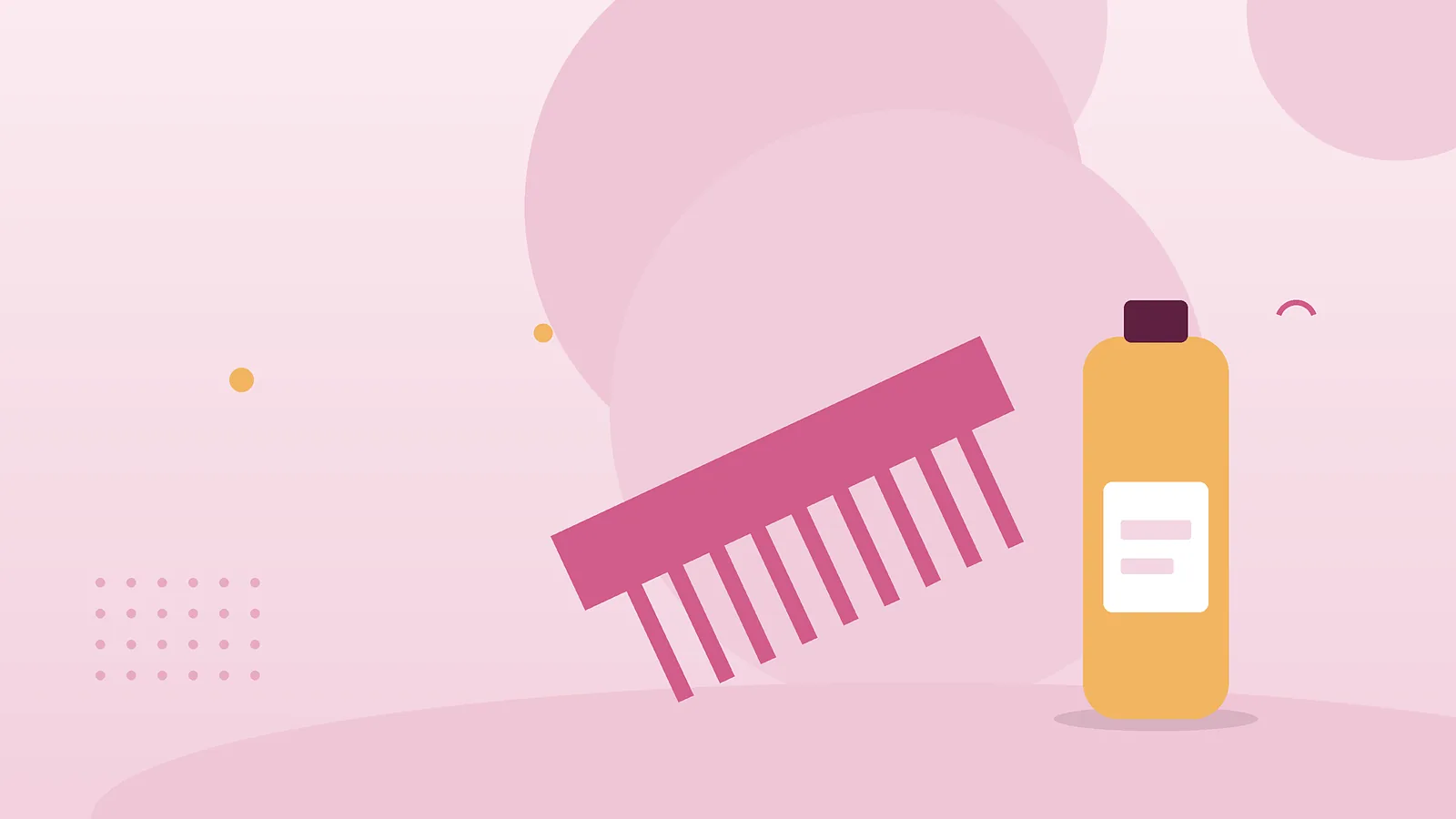
- Detangle gently while hair is damp, using a wide-tooth comb from the ends upward.
- Air-dry when you can, or use a diffuser on low heat for curls.
- When blow-drying, point the nozzle down the hair shaft and keep the dryer moving.
Cut back on heat and harsh treatments
- Use flat irons and curling irons less often and at lower temperatures.
- Apply a heat-protectant product before heat styling.
- Space out coloring, bleaching, perms and relaxers. These change the hair's structure and increase frizz.
- Avoid tight ponytails and rough brushing, which break the hair.
Products that can help
- Leave-in conditioners and creams add slip and moisture.
- Silicone-containing serums (look for ingredients ending in "-cone," such as dimethicone) coat the hair and reduce humidity's effect. Use a small amount on the lengths.
- Light oils can smooth ends. Too much makes hair look greasy.
- Anti-humidity sprays help before going out in damp weather.
Frizz in curly and coily hair
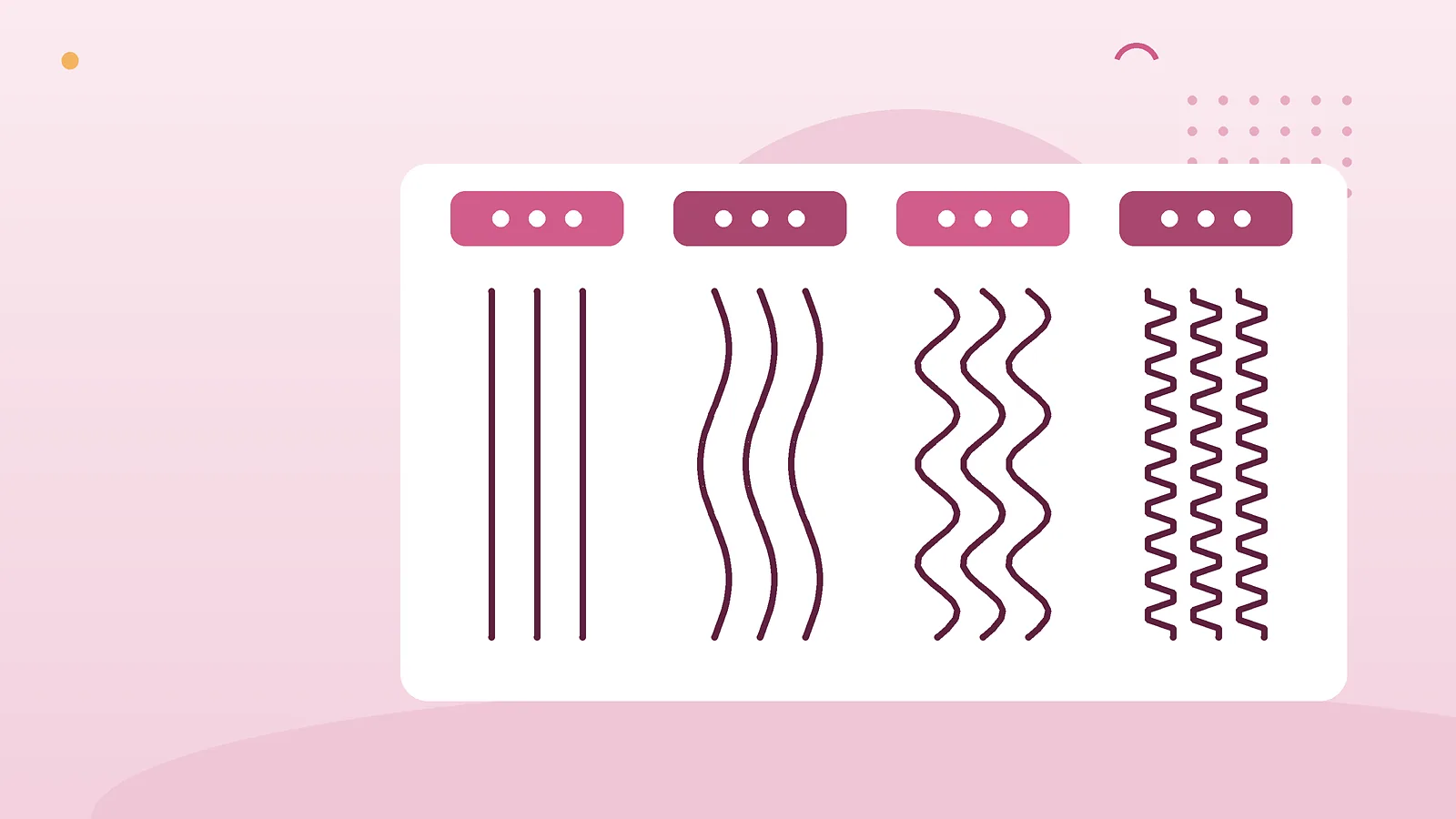
Curly hair is naturally drier because oils travel down a curved strand less easily. For tightly coiled textures, see our 4C hair care guide. Many people with curls get better results from co-washing (washing with conditioner) or sulfate-free cleansers, deep conditioning, styling on soaking-wet hair, and sleeping on a satin or silk pillowcase or bonnet to reduce friction.
Regular trims
Split ends travel up the shaft and add frizz. Trimming regularly keeps ends smooth. No product can permanently repair split ends.
For your skin, start with our simple skincare routine.