How Credit Scores Work and Habits That Help Build Good Credit
Payment history, amounts owed, credit history length, new credit and credit mix shape most scores. Learn what each factor means and how to check your reports for errors.
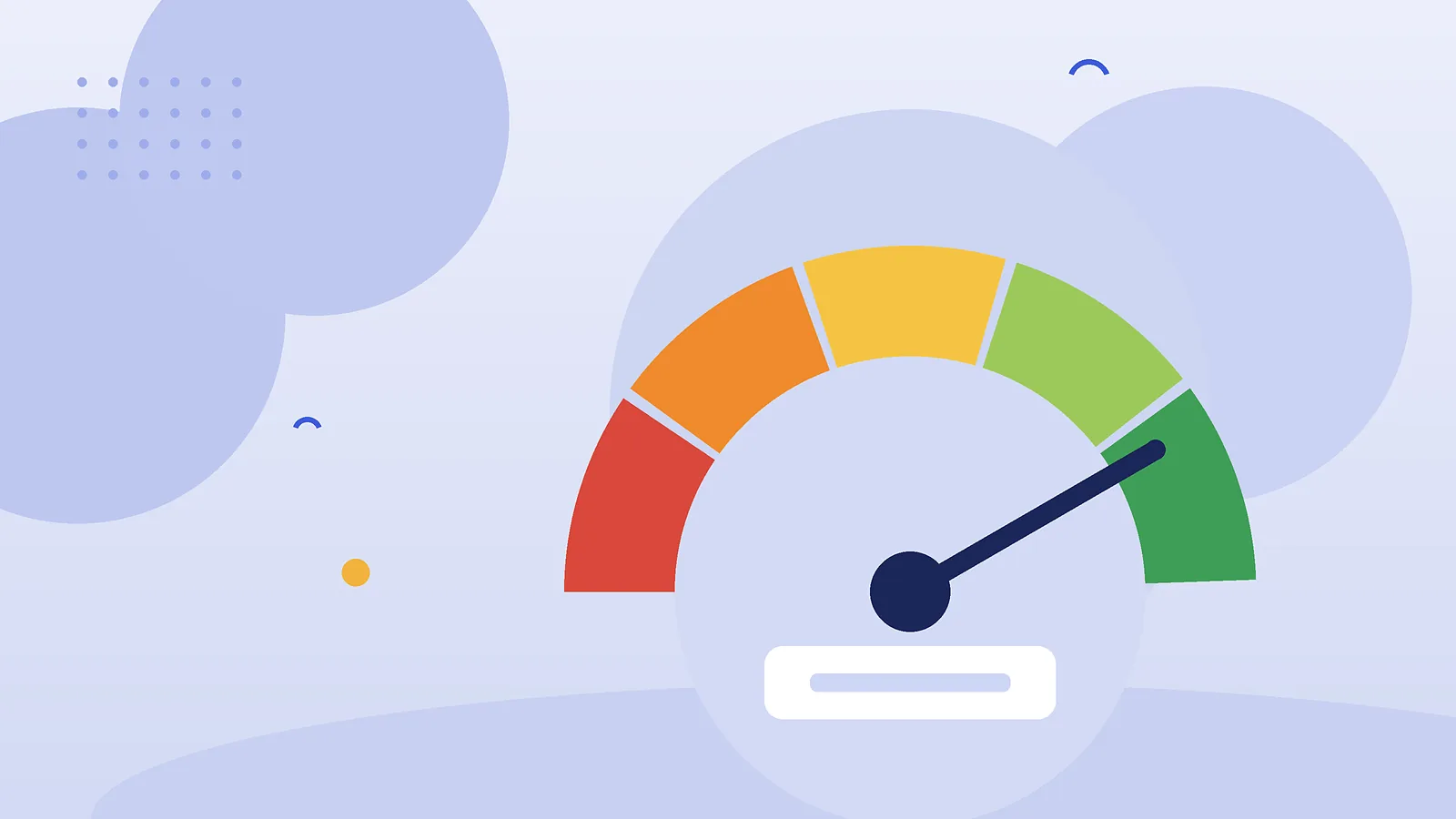
A credit score is a number lenders use to estimate how likely you are to repay borrowed money. It can affect whether you are approved for loans and credit cards, the interest rate you are offered, and sometimes rental applications or insurance pricing, depending on where you live. Understanding what goes into it takes much of the mystery out.
Credit reports vs credit scores
- Credit reports are records of your credit accounts and payment history, kept by credit bureaus. In the U.S., the main bureaus are Equifax, Experian and TransUnion.
- Credit scores are calculated from those reports by scoring models such as FICO and VantageScore. You do not have one single score. Different models and bureaus produce different numbers.
U.S. residents can get free credit reports from each of the three bureaus at AnnualCreditReport.com, the official site authorized by federal law. Be cautious of look-alike websites.
What affects your score
FICO publishes the general weight of each category in its scores for the general population. Individual results vary.
| Factor | Approximate weight (FICO) | What it means |
|---|---|---|
| Payment history | 35% | Whether you pay on time; late payments, collections and bankruptcies hurt |
| Amounts owed | 30% | How much you owe, including credit utilization (balances compared with credit limits) |
| Length of credit history | 15% | How long your accounts have been open |
| New credit | 10% | Recently opened accounts and hard inquiries from applications |
| Credit mix | 10% | Having different types, such as cards and installment loans |
Habits that support good credit
- Pay every bill on time. Set up autopay for at least the minimum, and reminders. This is the single most important habit.
- Keep balances low relative to limits. Lower utilization is generally better. Paying cards in full each month also avoids interest.
- Think before closing old accounts. Closing an old card can reduce your available credit and, over time, your average account age. Weigh this against any annual fees.
- Apply for new credit only when you need it. Several applications in a short time can lower scores and signal risk.
- Be patient. Negative items fade in impact over time, and positive history accumulates.
Check your reports and dispute errors
Review each report for accounts you do not recognize, wrong balances, incorrect late payments or personal details that are not yours. Under U.S. law, you can dispute inaccurate information with the credit bureau and the company that provided it. The CFPB provides sample dispute letters. Unfamiliar accounts can be a sign of identity theft. The FTC's IdentityTheft.gov explains the recovery steps.
Building credit from scratch
- Secured credit cards require a deposit that usually becomes your credit limit.
- Credit-builder loans, offered by some credit unions and banks, report your payments as you save.
- Authorized-user status on a trusted person's well-managed card may help, depending on the card issuer and scoring model.
Be wary of companies that promise to "fix" or "erase" accurate negative information for a fee. Accurate information generally cannot be removed early.
Carrying balances? Read how to pay off credit card debt.